
Home

Products

Integrated Circuits (ICs)

Embedded

FPGAs (Field Programmable Gate Array)

AGL600V2-CS281

Banner
productimage

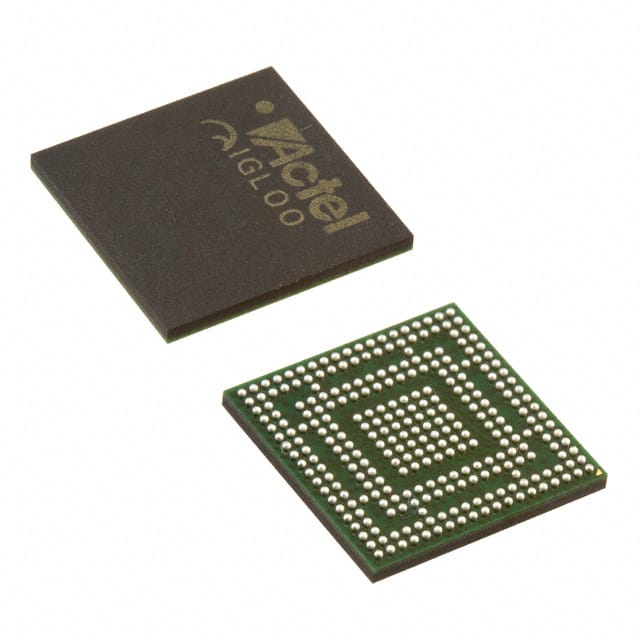
AGL600V2-CS281

IC FPGA 215 I/O 281CSP

Manufacturer: Microchip Technology

Categories: FPGAs (Field Programmable Gate Array)

Quality Control: Learn More

IGLOO Field Programmable Gate Array (FPGA) IC 215 110592 13824 281-TFBGA, CSBGA

Additional Information

Series: IGLOORoHS Status: RoHS non-compliantManufacturer Lead Time: 8 week(s)Product Status: ActivePackaging: TrayDatasheet:
Technical Details:
PackagingTray
Package / Case281-TFBGA, CSBGA
Mounting TypeSurface Mount
Number of Gates600000
Operating Temperature0°C ~ 70°C (TA)
Voltage - Supply1.14V ~ 1.575V
Number of Logic Elements/Cells13824
Supplier Device Package281-CSP (10x10)
Total RAM Bits110592
Number of I/O215
ProgrammableNot Verified

Request a Quote

Name (required)

Phone (required)

Work Email (required)

Country (required)

Company Name (required)

CAPTCHA

By providing a telephone number and submitting the form, you are consenting to be contacted by SMS text message and agreeing to our Privacy Policy. Message frequency may vary. Message and data rates may apply. Reply STOP to opt out of further messaging. Reply HELP for more information.
Clients Also Buy
FPGA FAQs

A Field-Programmable Gate Array (FPGA) is a programmable semiconductor device that engineers can configure after manufacturing to perform custom hardware functions. Unlike CPUs or GPUs, FPGAs process data in parallel, making them ideal for high-speed computing, AI acceleration, telecommunications, aerospace, industrial automation, and embedded systems.

An FPGA works by using programmable logic blocks and configurable interconnects that engineers customize using hardware description languages (HDLs) such as VHDL or Verilog. This architecture allows the FPGA to process multiple operations simultaneously for real-time performance and low latency.

FPGAs are used in:

  • AI and machine learning acceleration
  • Telecommunications infrastructure
  • Industrial automation
  • Aerospace and defense systems
  • Automotive electronics
  • Video and image processing
  • Embedded computing applications

The difference between an FPGA and a CPU is architecture. CPUs execute instructions sequentially, while FPGAs process data in parallel using customizable hardware logic. This makes FPGAs faster for specialized workloads like AI inference, signal processing, and real-time computing.

CPLDs are optimized for simpler control logic and predictable timing, while FPGAs provide higher logic density and advanced parallel processing for complex applications.

ASICs are custom-built for a specific application, delivering maximum performance, power efficiency, and unit cost optimization at high volumes, while FPGAs offer reprogrammability, faster development cycles, and greater design flexibility for evolving or lower-volume applications.

Frequently Asked Questions

As a full line supplier, we specialize in sourcing obsolete and hard to find electronic components for your projects.

After we receive your request submission, one of our account executives will reach out to your team to gather more information about your project requirements and ensure we tailor the order to your needs.

Once requirements such as date codes, quantities, target prices, testing requirements, and more are discussed, our purchasing team will secure stock through Microchip USA’s direct access to manufacturing partners’ excess inventory lists.

Our operations teams will handle logistics and fulfillment to ensure supply chain continuity, and our support team will provide clear communication throughout the process.

Our net terms for electronic component sourcing are flexible and vary by order. Our account executives will work with you to ensure our terms meet your company’s needs. We also offer scheduled shipments and inventory management solutions to ensure a steady supply of electronic components, maintain cash flow, and maximize warranty periods. We always offer a warranty on all tested parts. See our sales terms and conditions for more information.

We partner with industry-leading AS6171 & AS6081-certified third party testing labs to mitigate risk and support a wide array of end uses for your company’s requirements. Testing includes but isn’t limited to: Decapsulation & Internal Dye Verification. X-Ray Inspection & Analysis, External Visual Inspection, Surface Texture Analysis (SEM), and Electrical Pin Correlation.