
Home

Products

Integrated Circuits (ICs)

Embedded

CPLDs (Complex Programmable Logic Devices)

EPM3256ATI144-10

Banner
productimage

EPM3256ATI144-10

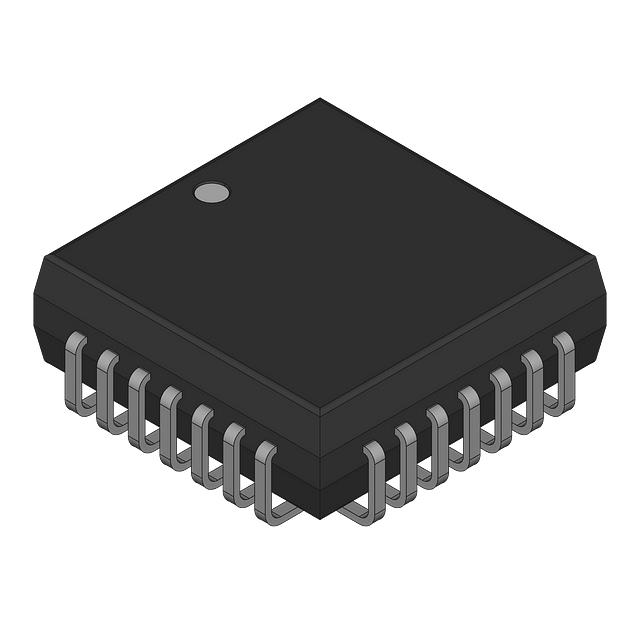
EE PLD, 10NS, 256-CELL, CMOS, PQ

Manufacturer: Altera

Categories: CPLDs (Complex Programmable Logic Devices)

Quality Control: Learn More

The Altera MAX® 3000A series EPM3256ATI144-10 is a high-density, in-system programmable Complex Programmable Logic Device (CPLD). This component features 256 macrocells and a total of 5000 gates, enabling sophisticated logic implementations. With a maximum propagation delay (tpd) of 10 ns, it is well-suited for high-speed applications. The device offers 116 user I/O pins and operates from a 3V to 3.6V internal supply voltage. Packaged in a 144-LQFP (144-TQFP (20x20)), it supports surface mount installation and operates within an industrial temperature range of -40°C to 85°C. The MAX® 3000A CPLDs are commonly found in industrial automation, telecommunications infrastructure, and consumer electronics.

Additional Information

Series: MAX® 3000ARoHS Status: RoHS non-compliantManufacturer Lead Time: No lead time information availableProduct Status: ActivePackaging: Tray
Technical Details:
PackagingTray
Package / Case144-LQFP
Mounting TypeSurface Mount
Programmable TypeIn System Programmable
Number of Gates5000
Number of Macrocells256
Operating Temperature-40°C ~ 85°C (TA)
Delay Time tpd(1) Max10 ns
Supplier Device Package144-TQFP (20x20)
Number of Logic Elements/Blocks16
Voltage Supply - Internal3V ~ 3.6V
Number of I/O116
ProgrammableNot Verified

Request a Quote

Name (required)

Phone (required)

Work Email (required)

Country (required)

Company Name (required)

CAPTCHA

By providing a telephone number and submitting the form, you are consenting to be contacted by SMS text message and agreeing to our Privacy Policy. Message frequency may vary. Message and data rates may apply. Reply STOP to opt out of further messaging. Reply HELP for more information.
Clients Also Buy
CPLD FAQs

A Complex Programmable Logic Device (CPLD) is a programmable semiconductor component designed to perform custom digital logic functions with predictable timing and fast startup performance.

A CPLD stores programmable logic configurations in non-volatile memory. Engineers program the device to manage logic control, signal routing, and interface bridging within embedded systems.

CPLDs are commonly used for:

  • Interface bridging
  • Digital logic control
  • Signal routing
  • Boot sequencing
  • Legacy hardware replacement
  • Embedded industrial systems

CPLDs are optimized for simpler control logic and predictable timing, while FPGAs provide higher logic density and advanced parallel processing for complex applications.

Frequently Asked Questions

As a full line supplier, we specialize in sourcing obsolete and hard to find electronic components for your projects.

After we receive your request submission, one of our account executives will reach out to your team to gather more information about your project requirements and ensure we tailor the order to your needs.

Once requirements such as date codes, quantities, target prices, testing requirements, and more are discussed, our purchasing team will secure stock through Microchip USA’s direct access to manufacturing partners’ excess inventory lists.

Our operations teams will handle logistics and fulfillment to ensure supply chain continuity, and our support team will provide clear communication throughout the process.

Our net terms for electronic component sourcing are flexible and vary by order. Our account executives will work with you to ensure our terms meet your company’s needs. We also offer scheduled shipments and inventory management solutions to ensure a steady supply of electronic components, maintain cash flow, and maximize warranty periods. We always offer a warranty on all tested parts. See our sales terms and conditions for more information.

We partner with industry-leading AS6171 & AS6081-certified third party testing labs to mitigate risk and support a wide array of end uses for your company’s requirements. Testing includes but isn’t limited to: Decapsulation & Internal Dye Verification. X-Ray Inspection & Analysis, External Visual Inspection, Surface Texture Analysis (SEM), and Electrical Pin Correlation.