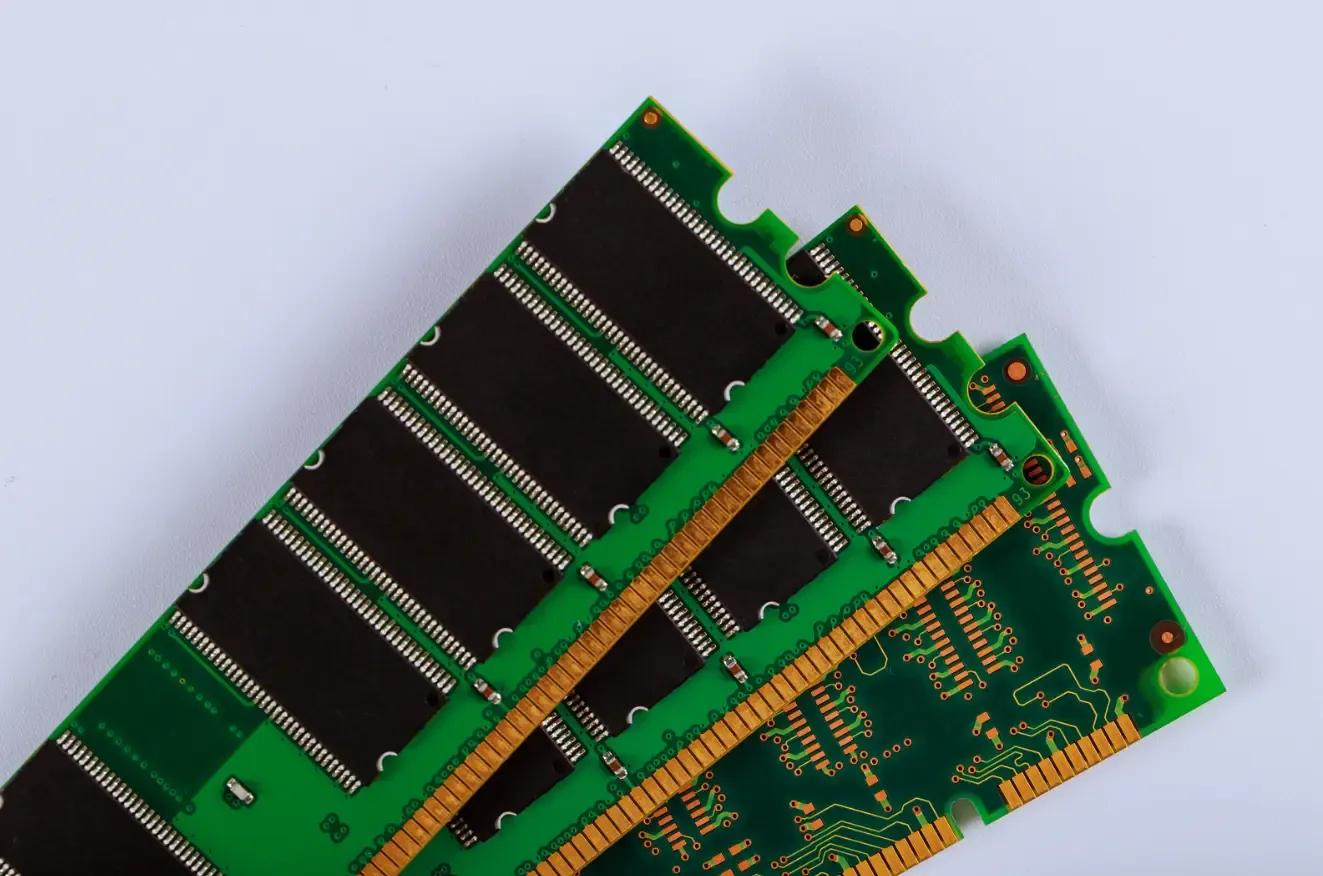
SDRAM vs DRAM Memory
More from the Category
When it comes to computing performance, memory speed and architecture make all the difference. From gaming rigs to industrial control systems, how quickly data moves between memory and processor directly impacts responsiveness and stability.
Two fundamental types of memory - DRAM and SDRAM, lie at the heart of this performance equation. Although they share a common foundation, their operation and efficiency differ in key ways. In this guide, we’ll explore SDRAM vs DRAM memory, including how each works, where they’re used, and why SDRAM became the standard for modern computing.
What Is DRAM Memory?
Dynamic Random Access Memory (DRAM) is one of the earliest and most widespread types of computer memory. It stores each bit of data in a tiny capacitor that must be constantly refreshed to retain information.
How it Works
DRAM operates asynchronously, meaning it doesn’t synchronize with the CPU clock. This makes it simpler and cheaper to produce but also limits data transfer speed and efficiency.
Advantages
· Straightforward design
· Low production cost
· High density for its era
Drawbacks
· Slower performance due to lack of synchronization
· Requires frequent refresh cycles
· Not ideal for high-speed or multitasking environments
Common Uses
DRAM was widely used in early PCs, embedded systems, and legacy industrial devices where cost mattered more than performance.
What Is SDRAM Memory?
Synchronous Dynamic Random Access Memory (SDRAM) revolutionized how memory interacts with processors. Unlike DRAM, it synchronizes with the system clock, allowing the CPU to anticipate data readiness instead of waiting unpredictably.
Key Innovation
SDRAM introduced pipelining, enabling multiple data requests to overlap and execute faster, dramatically improving throughput and reducing latency.
Evolution
SDRAM set the stage for the entire DDR (Double Data Rate) family - DDR, DDR2, DDR3, DDR4, and today’s DDR5 each delivering higher bandwidth and energy efficiency.
Benefits
· Synchronization with CPU clock for faster, predictable performance
· Reduced latency through pipelining
· Foundation for modern DDR generations
· Ideal for high-performance computing environments
SDRAM vs DRAM Memory: Key Differences
DRAM
Features
Synchronization: Asynchronous
Data Transfer Rate: Slower, single data rate
Latency: Higher
Efficiency: Less Efficient
Scalability: Limited
Cost: Lower
Compatibility: Used in older systems
SDRAM
Features
Synchronization: Synchronous with system clock
Data Transfer Rate: Faster, supports pipelining
Latency: Lower
Efficiency: More efficient and stable
Scalability: Highly scalable through DDR generations
Cost: Slightly higher but more efficient
Compatibility: Standard in modern hardware
In short, SDRAM outperforms DRAM in nearly every category except cost, which is why it dominates modern computing markets.
Applications of SDRAM and DRAM Memory
When it comes to real-world use, SDRAM and DRAM serve very different purposes in modern electronics. While SDRAM powers today’s high-speed computing and connected devices, traditional DRAM continues to find value in simpler, legacy, and cost-sensitive applications.
SDRAM Applications
· Modern computers, laptops, and gaming consoles
· Data centers and networking equipment
· Industrial automation systems and IoT devices using DDR-based SDRAM
· AI and edge computing systems requiring high throughput
DRAM Applications
· Legacy industrial controllers and cost-sensitive embedded systems
· Development boards or training kits where simplicity is preferred
· Low-speed electronics where performance demands are minimal
In today’s electronics manufacturing, synchronization gives SDRAM a clear advantage, allowing real-time systems to achieve stable, predictable data flow.
The Current Market for SDRAM vs DRAM Memory
SDRAM and its DDR successors dominate global memory demand, while traditional DRAM has become a niche product used primarily for maintenance and repair of older equipment.
Trends
· DDR4 and DDR5 continue to expand in server, AI, and edge applications.
· The classic DRAM market is shrinking as manufacturers phase out older lines.
· Emerging technologies like LPDDR and HBM are pushing efficiency even further.
Pricing & Supply Chain Insights
Global chip supply fluctuations still impact pricing. Manufacturers such as Samsung, SK Hynix, and Micron lead SDRAM and DDR production, while independent distributors like Microchip USA bridge supply gaps - offering access to both modern and legacy memory components.
Future Outlook
Next-gen standards like DDR6 and hybrid memory models promise even greater performance, supporting AI, autonomous systems, and high-bandwidth 3D architectures.
The Evolution of Memory Technology
From the earliest DRAM designs to today’s highly synchronized SDRAM and DDR architectures, memory technology has advanced at an extraordinary pace.
Key Advancements Driving Performance
· Data transfer speeds have scaled dramatically, delivering significantly higher bandwidth.
· Response times have improved, reducing latency to support real-time processing demands.
· Energy efficiency has progressed, driven by innovations like LPDDR and 3D stacking.
Looking ahead, emerging technologies such as High Bandwidth Memory (HBM) and LPDDR6 continue to push the boundaries of performance, efficiency, and compact design.
Which One Is Right for You?
Choosing between DRAM and SDRAM depends on your system requirements:
For performance-focused systems (servers, PCs, embedded AI): SDRAM / DDR
For legacy or low-cost designs: Traditional DRAM
For most modern devices, SDRAM-based solutions are the clear standard due to their synchronization, scalability, and compatibility with advanced processors.
Memory Performance and Sourcing Solutions
SDRAM changed computing by introducing synchronization - a feature that made data processing faster, more predictable, and more efficient. As DDR5 and DDR6 take over next-generation devices, SDRAM remains the backbone of global computing architecture.
At Microchip USA, we provide:
· SDRAM, DDR, DRAM, and other memory components
· Fast quotes and global support
· Obsolete part alternatives for legacy hardware
SDRAM vs DRAM Frequently Asked Questions
What’s the difference between SDRAM and DRAM memory?
SDRAM is synchronized with the CPU clock, allowing faster and more efficient data transfers than asynchronous DRAM.
Is SDRAM compatible with DDR memory types?
Yes. DDR (DDR, DDR2, DDR3, DDR4, DDR5) is an evolution of SDRAM technology.
Why is SDRAM faster than DRAM?
It synchronizes with the processor’s clock and supports pipelined operations, reducing latency.
Are DRAM components still being manufactured?
Yes, but production is limited to specific industrial and legacy-use cases.
Learn More: The Global Memory Chip Shortage – DRAM, DDR4, NAND Flash and HBM Memory
Which memory is more power-efficient?
SDRAM and its DDR variants are more efficient due to synchronized operation and advanced power management features.
More from the Category
Line Cards We Support